Purify Your Wealth.
Uplift a Community.
Zakah is more than giving. It is an act of worship, a responsibility towards those in need, and a means of strengthening the bonds of care within the Ummah.
Purification. Growth. Responsibility.
Zakah connects faith with practical care for people who are entitled to assistance. It reminds Muslims that wealth is a blessing from Allah and that obligatory giving must follow His guidance.
Give with sincerity, understand your obligation, and ensure that your Zakah reaches eligible recipients.
A Sacred Duty. A Shared Responsibility.
Zakah is one of the five pillars of Islam. It is an obligatory contribution from qualifying wealth, given to recipients identified in Islamic law when the relevant conditions are met.
The word Zakah is associated with purification and growth. Through it, Muslims obey Allah, cultivate generosity, and recognise that wealth carries responsibilities beyond personal needs.
Unlike general voluntary charity, obligatory Zakah has specific rules concerning the wealth on which it is due and the people who may receive it.
“Take, [O Muhammad], from their wealth a charity by which you purify them and cause them increase, and invoke [Allah’s blessings] upon them. Indeed, your invocations are reassurance for them. And Allah is Hearing and Knowing.”
Who Is Eligible to Receive Zakah?
Allah identifies eight categories of Zakah recipients in Surah At-Tawbah, verse 60. Eligibility must be assessed in accordance with Islamic guidance.
The Poor
People who lack sufficient resources to meet their essential needs.
The Needy
People experiencing financial hardship who require assistance with basic needs.
Zakah Administrators
Those authorised to collect and administer Zakah, according to applicable rules.
Those Whose Hearts Are to Be Reconciled
A category applied according to recognised Islamic legal guidance and circumstances.
Freeing People from Bondage
Qualifying support for emancipation, as recognised in Islamic law.
People in Debt
Eligible debtors unable to meet qualifying debts, subject to relevant conditions.
In the Cause of Allah
Fi Sabilillah, applied according to the scholarly guidance followed.
The Stranded Traveller
A traveller who lacks the resources needed to continue the journey.
The Lasting Benefits of Giving
Obedience to Allah
Fulfilling Zakah is an expression of faith and obedience to Allah’s command.
Purification of the Soul
Zakah nurtures generosity and helps guard against greed and excessive attachment to wealth.
Relief from Hardship
Properly distributed Zakah can help eligible people meet essential needs and face difficult circumstances.
Stronger Brotherhood
It reinforces mutual care and a shared responsibility towards vulnerable members of the Ummah.
Responsible Distribution of Wealth
Zakah directs a prescribed share of qualifying wealth to people and categories identified in Islamic law.
Thankfulness for Blessings
Giving recognises Allah’s provision and the rights of eligible recipients in qualifying wealth.
Ready to fulfil your Zakah obligation?
Visit the JTDS Zakah page for the next steps towards making your contribution.
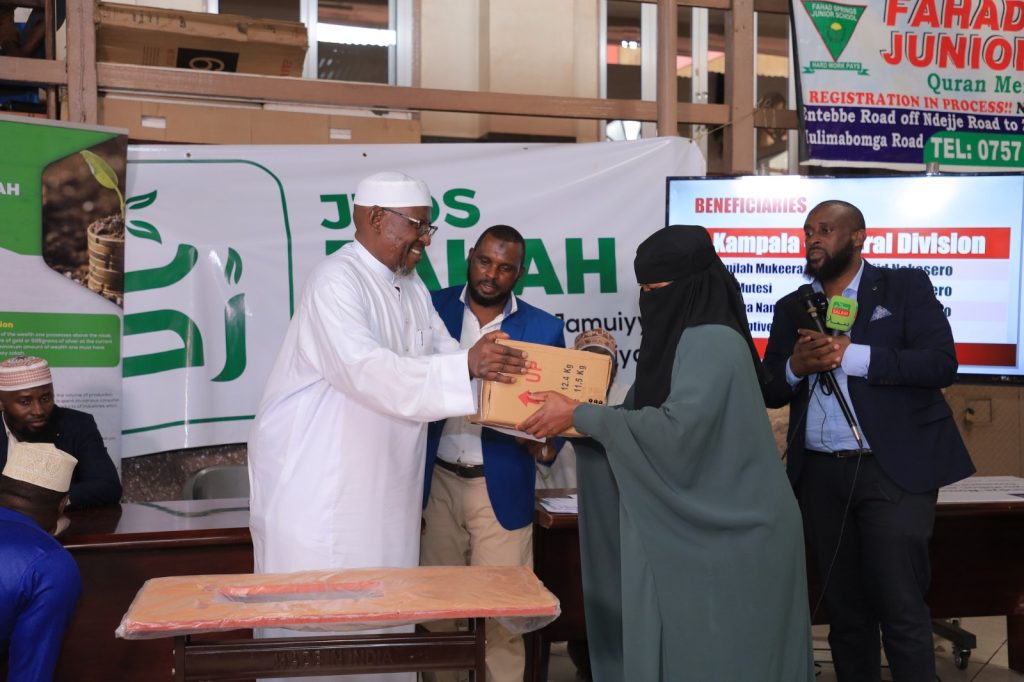
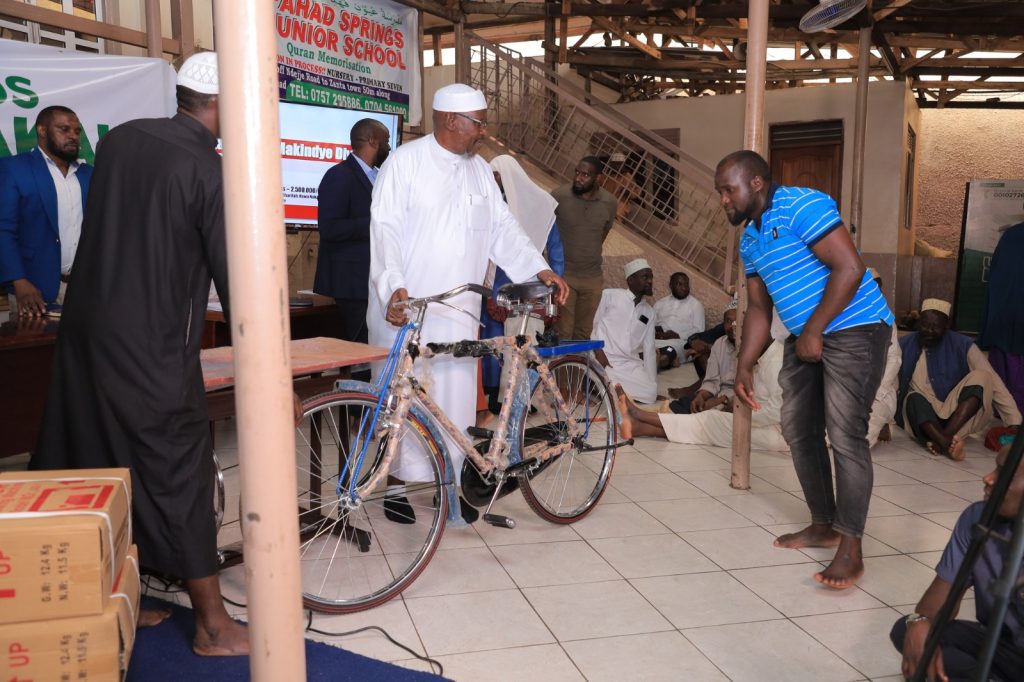
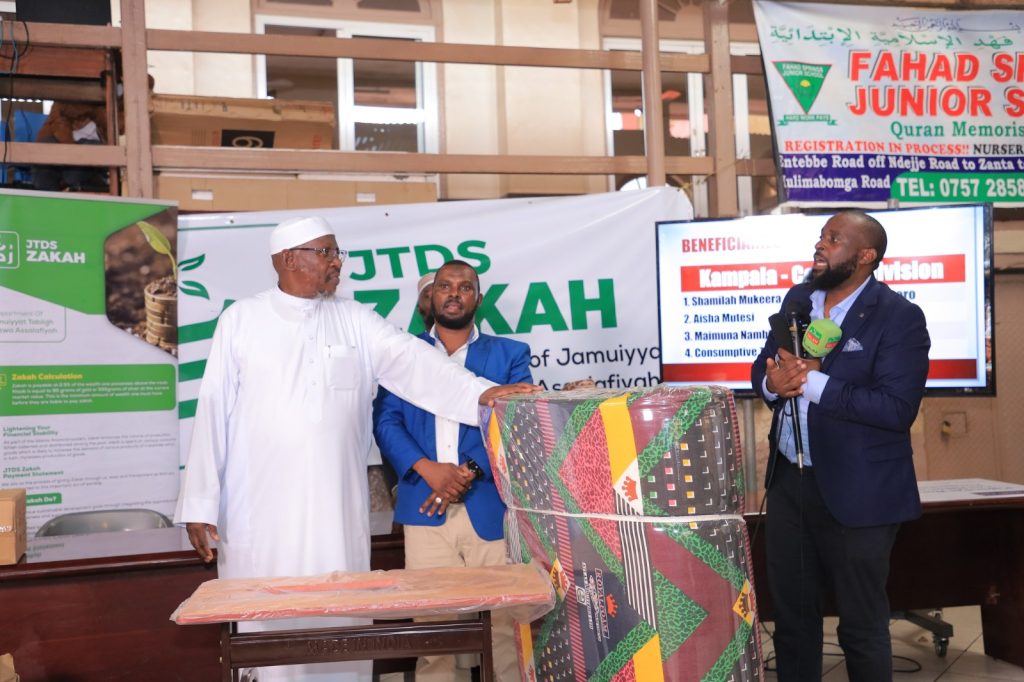
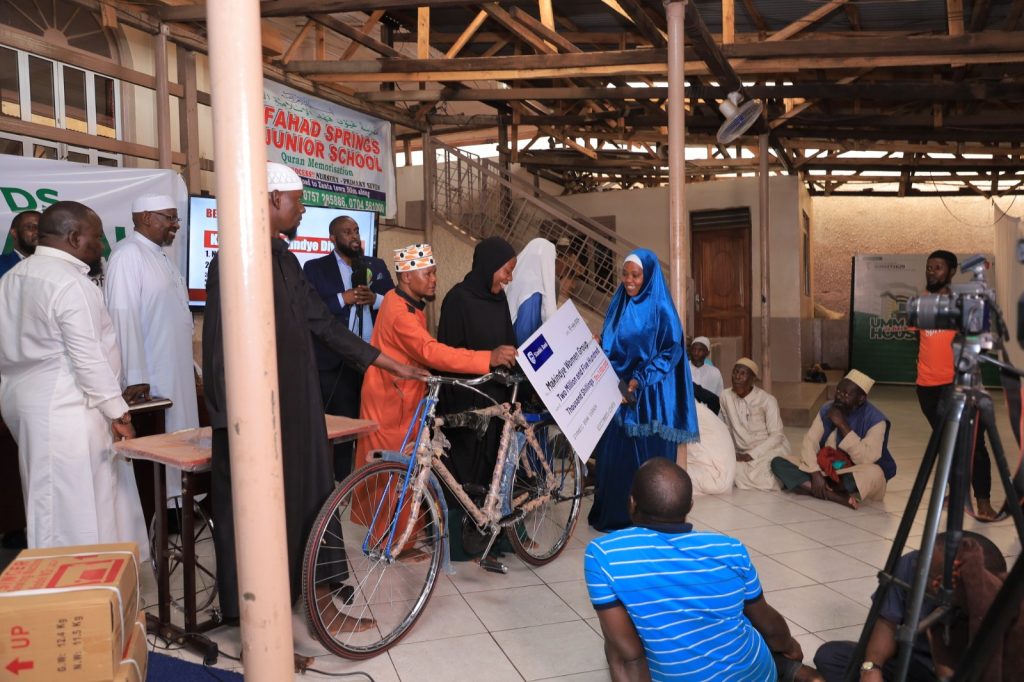
Turning Compassion into Practical Support
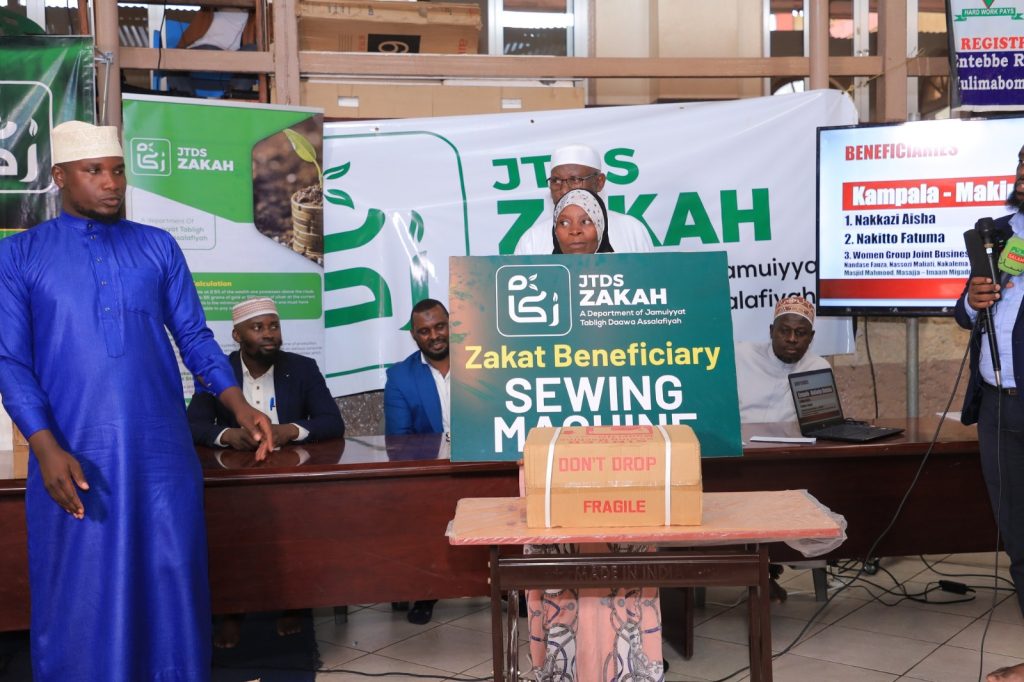
Jamuiyyat Tabliigh Da’awa Assalafiyya works to serve the Muslim community through religious guidance and community initiatives. The JTDS Zakah programme is focused on connecting contributions with eligible recipients in accordance with Islamic principles.
Every Zakah contribution should be handled as a trust, with careful attention to eligibility, accurate records, and the dignity of those receiving assistance.
- Responsible assessment of applicants and their needs.
- Careful handling of Zakah funds as a trust.
- Distribution guided by Qur’anic categories and qualified Islamic guidance.
- Respect for beneficiaries’ dignity and privacy.
Faith, Trust and Accountability
The administration of Zakah requires sincerity, transparency and a commitment to Islamic guidance. These principles help protect the rights of eligible recipients and maintain public confidence.
Let Your Giving Make a Difference.
Fulfil your obligation with knowledge and sincerity. Help ensure that Zakah reaches eligible recipients and supports the purpose for which Allah has prescribed it.
Pay your Zaka now ↗ZAKA DISTRIBUTION